

Raumaster chip receiving systems provide a reliable and efficient system for fully controlled purchased chips flow. Systems are always custom-made for each customer, keeping in mind the requirements set by the chip transport methods and the pulping process. A large capacity range is available due to a wide selection of equipment.
Purchased chips are a significant percentage of most mills.
Raumaster chip receiving systems are available for chips transported by various methods including trucks, rail and ships.
Chip trucks may be self-discharging, walking floor or tipping – with side or back discharge. Various alternatives are available to meet all needs.
Depending on required capacity as well as volume and shape of receiving area, Raumaster chip receiving systems can be equipped with heavy duty chain reclaimers, traversing screw reclaimers or stationary feeder screws.
Typically, our chip receiving systems also include a scalper screen for separating oversized Chips, Cards or overs and a magnet and or metal detector for tramp metal. Sampling systems and chip classifiers, available in online or offline versions.
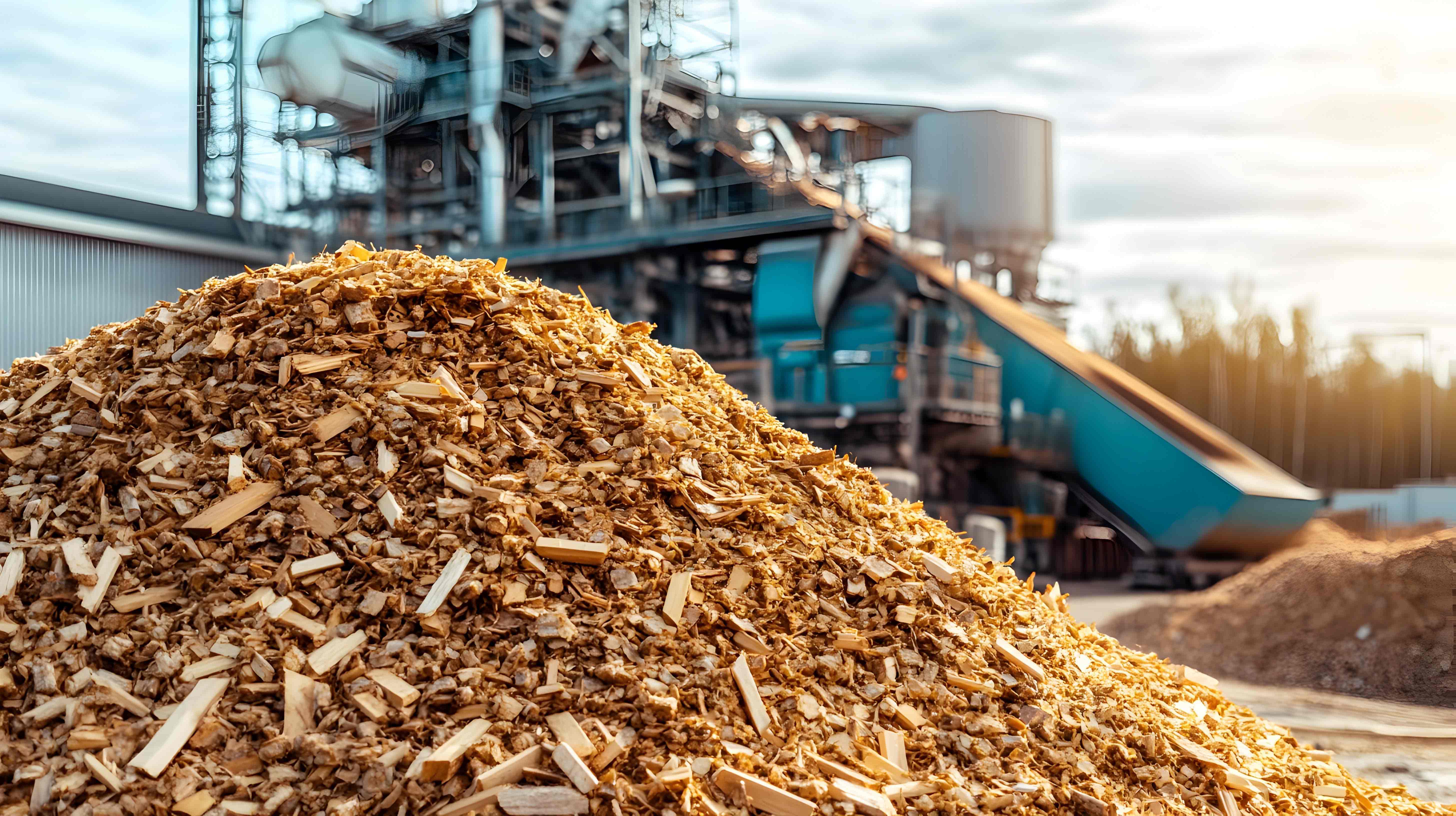

Chip screening ensures the optimized chip size distribution for the pulping process.
The purpose of chip screening is to form the optimum chip size distribution for the pulping process. Modern mills typically use a thickness screening process because this has a large influence on cooking results. Increased yield, decreased rejects, lower kappa number, lower alkali consumption and better pulp strength are just some of the benefits of properly controlling chip thickness.
We offer complete chip screening systems for both thickness screening and conventional screening:
Both mechanical and chemical pulping processes achieve benefits by fines removal and pin chip control. The elimination of fines from wood chips improves pulp strength and quality
while simultaneously reducing chemical use. Two fundamental performance objectives of a thickness screen are to provide high over thick removal efficiency and minimize the carryover of accept chips.
The Screen Master thickness screen provides a superior solution to meet these process requirements. Effective chip flow agitation, high over thick removal efficiency and high selectivity are achieved using a special disc construction and a combination of three-disc diameters. Raumaster’s proven screen construction offers low space requirement, low power demand and easy maintenance. Thanks to a special steel alloy and hard facing, wear on the discs is extremely low.
The Screen Master fines screen provides excellent fines and pins removal efficiency combined with minimal acceptable fiber loss. Because there are no overlapping parts in the adjacent screen rolls, fiber-destroying crushing action does not appear between the rolls. The roll diameter is large enough to enable powerful chip flow agitation which is prerequisite to effective fines removal at high in feed capacity. The screen is equipped with a variable speed controller, which allows adjusting the fines removal efficiency and selectivity while the screen is operating.
In chemical pulping the most favorable way of treating over thick chips is to use the Chip Improver. The pulp ability of over thick chips is improved efficiently by a gentle fracturing action producing only a minimum of fines and pins. The rugged construction with shaft-mounted drives requires very little maintenance.
For mechanical pulping the Chip Master series re-chippers and the Slice Master series chip slicers offer a rugged machine for oversize chip treatment utilizing modern chipping geometry.
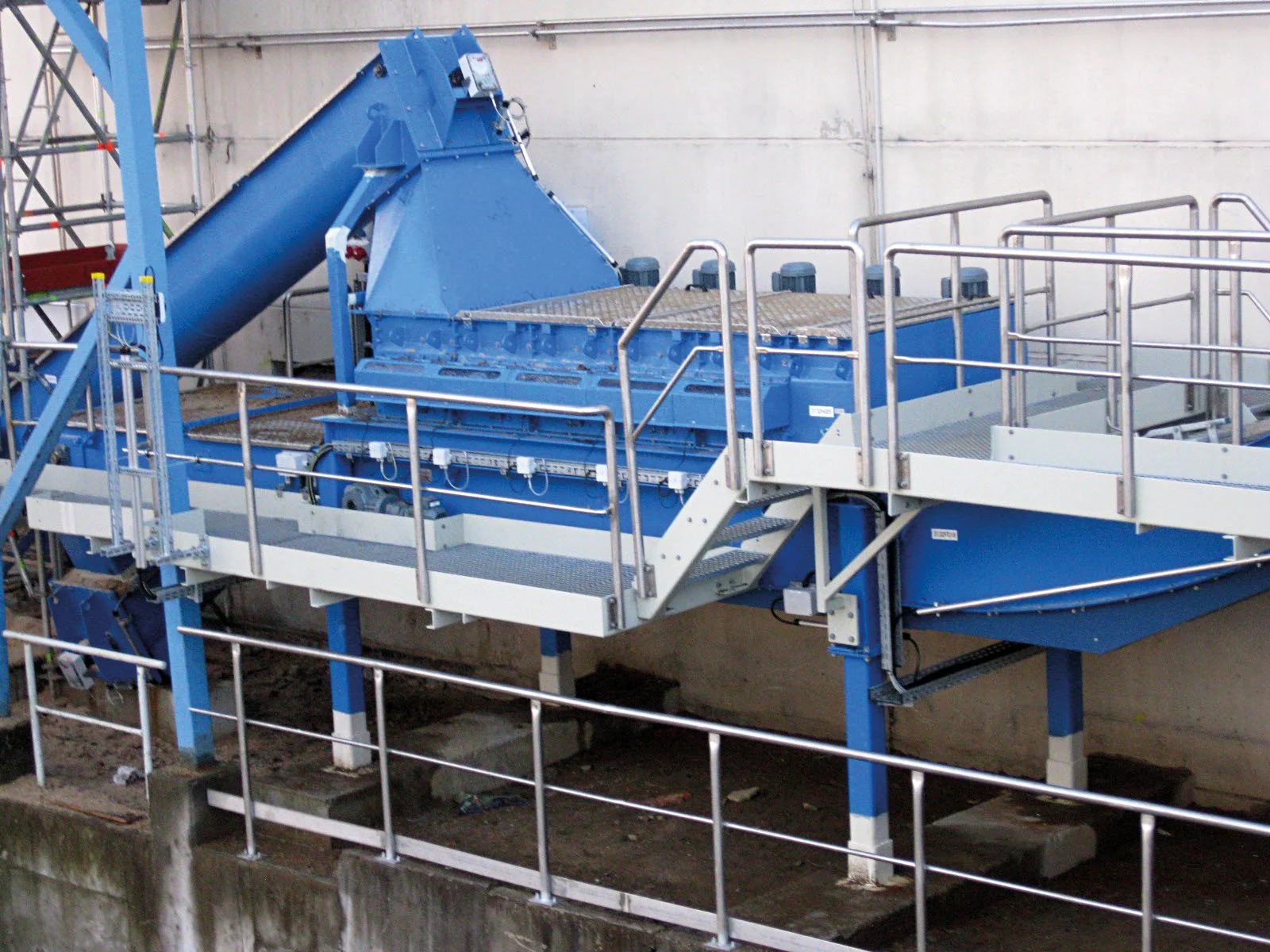
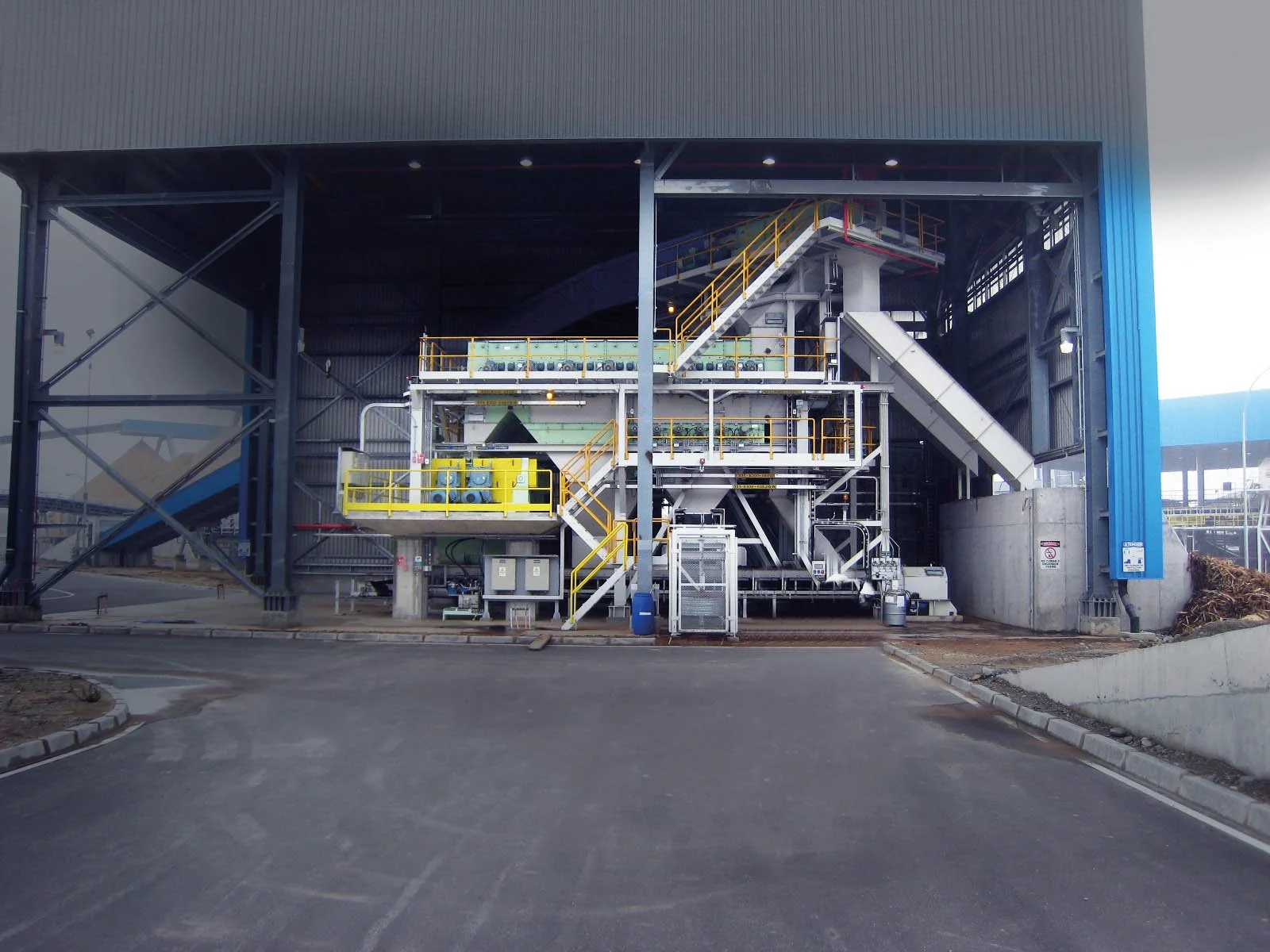
Chip storage is an essential component of the pulping process. The main purpose of chip storage is to act as an inventory buffer against uncertainties of weather or inconsistent wood delivery. A properly designed chip storage system provides routine chip turnover, which minimizes the effects of unplanned downtime, supplier disruptions or planned maintenance.
Raumaster's wood handling product line includes a comprehensive selection of chip storage systems and equipment, such as:
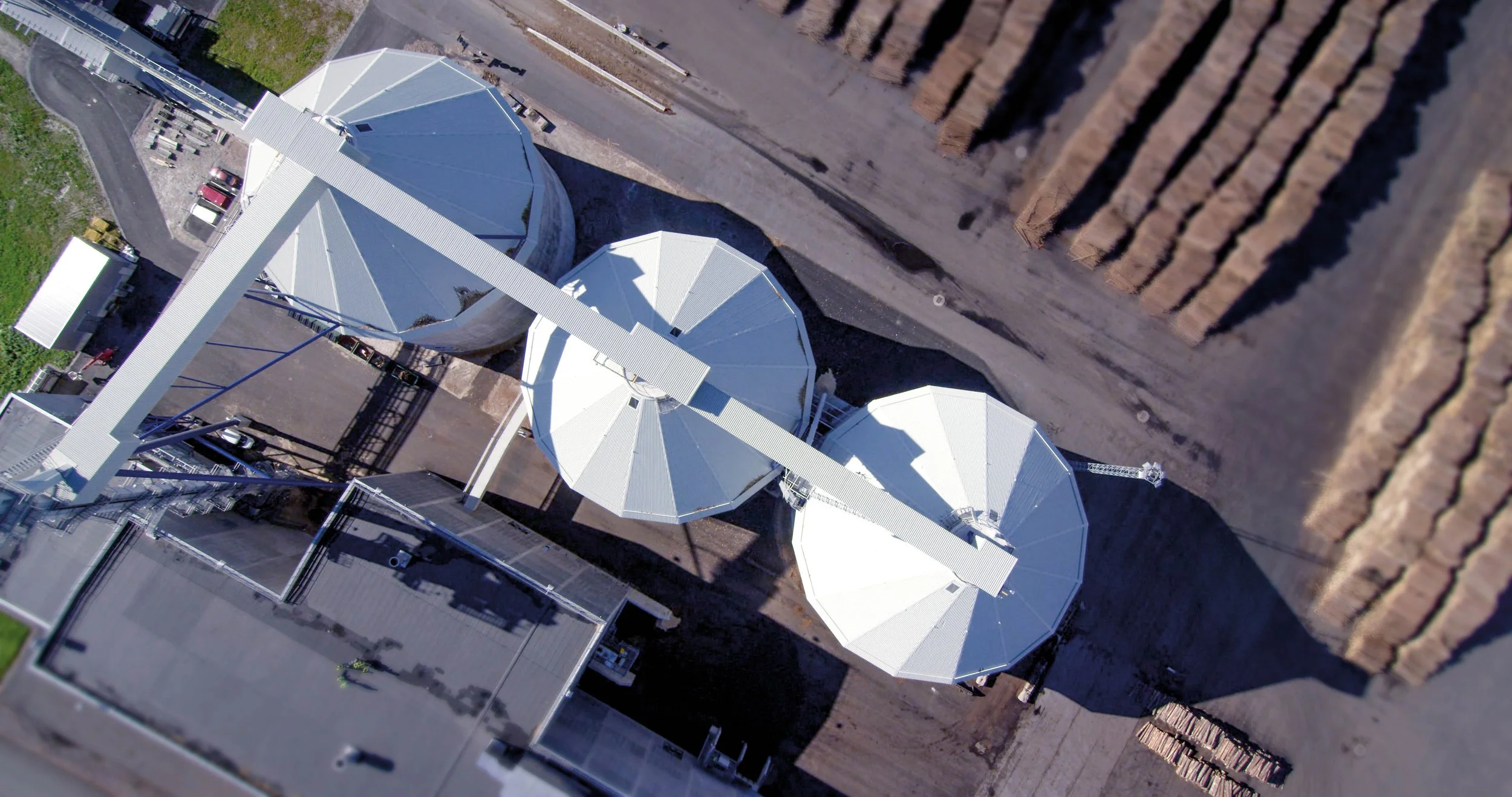
Typical solutions at modern mills are multi-silo systems with rotating screw reclaimers as well as open pile storage systems with shuttle belt conveyors and traversing screw reclaimers.
Advantages of a silo system are first in – first out principle as well as absence of climatic problems like wind separation, sunlight, snow and ice. In pile storage systems the whole pile can be automatically reclaimed if it is equipped with side walls. An efficient homogenizing effect is achieved by using several reclaimers simultaneously under one pile. Species segregation and blending provide flexibility to the system and precise receipes.
Our screw reclaimers represent the state-of-the-art technology in the field of chip handling. Raumaster’s extensive experience in developing screw reclaimers has resulted in extremely reliable heavy-duty constructions. The effective reclaiming area of our screw reclaimers is superior compared with conventional reclaimers.
Our screw reclaimers can be equipped with an advanced control system which acts as a safeguard for the screw in overload situations and optimizes the travel speed or rotating speed of the reclaimer.
In automatic storage systems advanced control and process optimization systems developed by our automation department are used to ensure flexible and efficient operation.
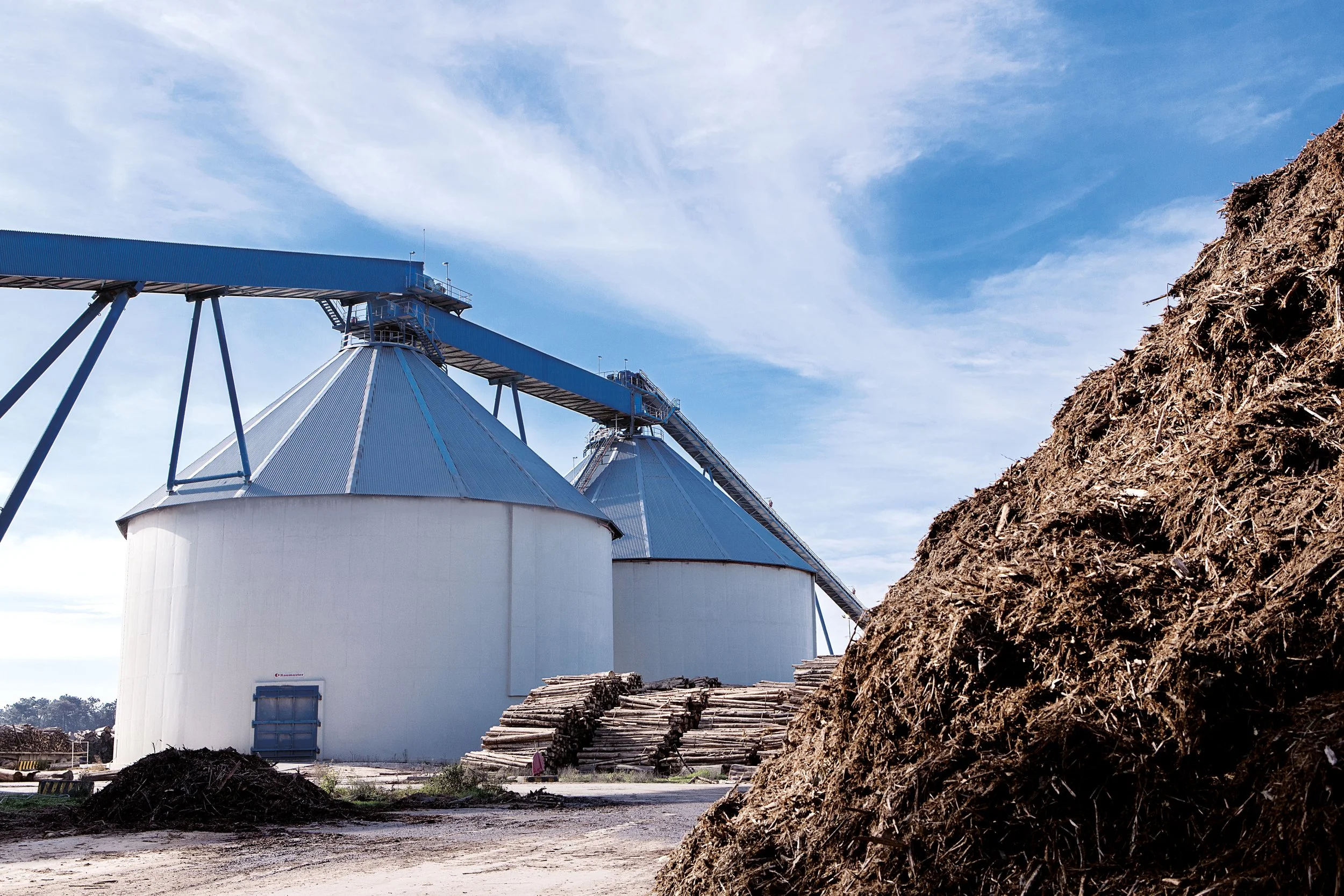
A complete range of conveyors for wood chips, bark and fines is available from Raumaster, including:

do the honors,
hover over the button!

After the project is cloned you can copy the 'd-105-3d-card-wrapper' to use the 'social media card animation on hover.' The animations are copied into the Webflow 'Interactions (H)' panel.
This example showcases moving lines around an image. The image also has a 3d rotation on hover.
do the honors,
hover over the button!
The Learn UI Design course by Erik Kennedy is the most comprehensive course on UI Design on the web. It covers everything from typography, color, elements, and process. If you are new to web development or design I highly recommend this course.

